


Renting vs Buying: What Makes Sense Now?

For many households in cities like Kolkata, renting continues to be significantly cheaper than owning. A property that demands a high monthly EMI often rents out at a much lower cost. This gap creates an important opportunity—one that didn’t exist as clearly a decade ago.
By choosing to rent, individuals can invest the difference between rent and EMI into financial markets. Over time, this can lead to meaningful wealth creation.
That said, buying a home is not purely a financial decision. It offers stability, predictability, and a sense of permanence that renting cannot match.
In simple terms, renting works well if your plans are flexible or short-term. Buying becomes more meaningful when you are certain about staying put for many years.
The EMI Question: Pay the Bank or Invest Instead?

One of the biggest shifts in thinking today is around how money is used each month.
When you commit to a home loan, your EMI becomes a fixed obligation. It builds an asset, but it also limits flexibility. On the other hand, renting frees up cash that can be invested elsewhere.
Over the long run, well-managed investments have the potential to grow faster than real estate in cities like Kolkata. However, this comes with a condition—discipline.
An EMI is non-negotiable; investments are not. Many people start investing with good intentions but fail to stay consistent.
This is where personal behavior becomes more important than pure mathematics. For disciplined investors, renting and investing can be more rewarding. For others, a home loan acts as a structured way to build wealth.
The Second Property Myth

Owning a second property for rental income is often seen as a safe and steady strategy. In reality, the numbers tell a different story.
Rental income in Kolkata tends to be modest, especially when compared to the cost of buying property. Once maintenance, vacancies, and other expenses are considered, returns are relatively low.
If the property is financed through a loan, the situation becomes even more challenging, as the interest cost can outweigh rental earnings.
This doesn’t mean a second property is always a bad idea. It can work in specific cases—such as buying at the right price or in areas with strong future growth. But as a pure income-generating strategy, it is often less efficient than it appears.
Bigger House vs Financial Comfort

Another common dilemma buyers face is whether to stretch their budget for a bigger home.
While a larger property may improve lifestyle in the short term, it often comes at the cost of long-term financial flexibility. High EMIs can reduce the ability to save, invest, or handle unexpected expenses.
A more balanced approach is to choose a home that fits comfortably within your income. This allows you to maintain financial stability while still working towards future upgrades.
In many cases, starting smaller and upgrading later turns out to be the more sustainable path.
Loans vs Investments
Managing money today is not just about earning—it’s about making the right choices with what you already have. Many people find themselves stuck between two options: reduce debt or grow wealth.
Prepay Home Loan or Invest in SIP?
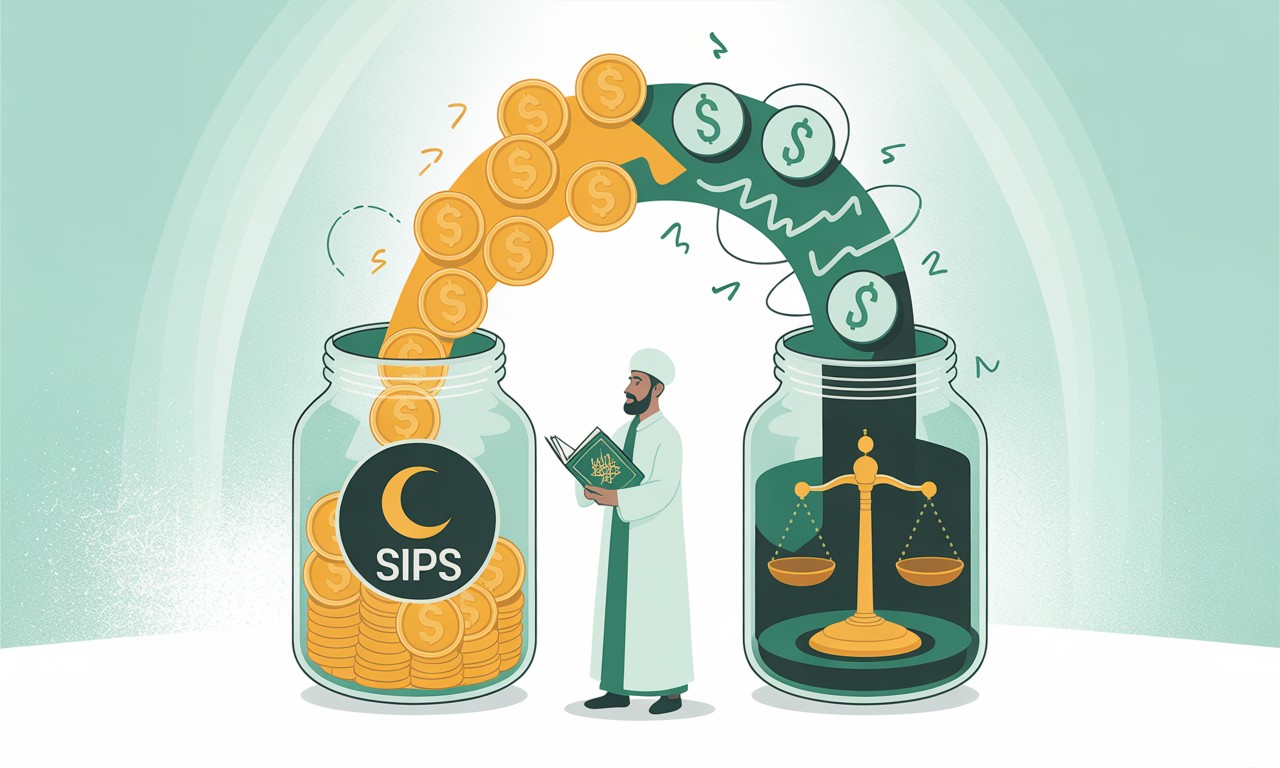
One of the most common financial dilemmas for homeowners is deciding whether to prepay their home loan or invest the same money in a SIP (Systematic Investment Plan). On the surface, it might seem straightforward—home loan interest is around 8–9%, while long-term equity SIPs have historically delivered 12–15% annual returns. So why not invest?
The key lies in certainty versus growth potential. Prepaying your home loan guarantees reduced interest liability and helps you become debt-free faster. It also provides psychological comfort—being debt-free is an intangible but real benefit for many.
Investing in SIPs, on the other hand, gives your money the chance to grow over time, benefiting from compounding. But investments are subject to market volatility, and returns are not guaranteed. There is a risk that short-term fluctuations might force you to stay invested longer than planned.
A practical approach often works best: balance both strategies. Continue your SIP investments to build long-term wealth while using any surplus funds to prepay your loan partially. This ensures that you benefit from growth potential while reducing your debt burden steadily.
Personal Loan vs Using Savings

When a significant expense arises—whether it’s medical, travel, education, or home renovation—the decision to take a personal loan or use your own savings is critical. Both approaches have advantages and disadvantages.
Taking a personal loan preserves your savings and allows for better cash flow management. It can be useful if you need liquidity for emergencies or investment opportunities. However, personal loans are among the most expensive forms of borrowing, with high interest rates and processing fees, which increases the total cost of the expense.
Using your savings avoids paying interest entirely and keeps your finances simpler. But the drawback is that your emergency fund or financial cushion might get depleted, leaving you vulnerable to unexpected events.
The right decision depends on financial stability and risk tolerance. If using savings still leaves you with an adequate emergency fund, it is usually better to pay from your own resources and avoid interest. If paying from savings compromises your financial safety, taking a personal loan—while keeping repayment manageable—is the safer alternative.
Taking a loan to invest

Borrowing money to invest might sound like a clever way to multiply wealth, especially when loan interest rates are lower than expected investment returns. On paper, it seems simple: borrow at 9%, invest at 12%, pocket the difference. But reality is far more complex.
The key risk lies in certainty versus uncertainty. Loan repayments are fixed—you must pay your EMIs on time, regardless of market conditions. Investments, especially in equities or mutual funds, are unpredictable. Market volatility can lead to losses, sometimes significant, while your loan obligations remain unchanged. This mismatch between fixed liability and uncertain returns can quickly turn a “smart strategy” into a financial trap.
There are also behavioral and psychological factors to consider. The pressure of paying back a loan while watching investments fluctuate can lead to stress-driven decisions, like selling in a downturn. Even small mistakes—delayed payments, unexpected expenses, or lower-than-expected returns—can compound and result in real losses.
The only scenario where borrowing to invest might work is for highly experienced investors with a stable income, a strong emergency fund, and a well-researched investment plan. For the vast majority, it is safer and more effective to invest your own money consistently, take advantage of compounding over time, and avoid mixing debt with high-risk investments.
Car Loan vs Buying a Car in Cash

Buying a car is often one of the first major financing decisions individuals make, and it’s also one of the most misunderstood. Cars are depreciating assets: the moment you drive off the lot, their value drops significantly. That makes how you pay for it just as important as which car you buy.
Paying in cash has clear advantages. You avoid paying any interest, own the car outright from day one, and don’t have any future obligations hanging over your head. This approach also simplifies your finances and prevents lifestyle inflation—buying a bigger or more expensive car just because EMIs are available.
Taking a car loan can also make sense under certain circumstances. If paying in cash would deplete your savings or compromise your emergency fund, a loan allows you to spread the cost over time. It preserves liquidity, which can be useful for investments or unexpected expenses. However, the downside is the added interest cost, which effectively makes the car more expensive. Many people underestimate this and end up paying tens of thousands more over the loan tenure.
Another hidden risk of loans is over-leveraging. Easy financing can tempt buyers to upgrade beyond their means, turning a manageable expense into a financial burden. For assets that depreciate quickly, this strategy rarely makes sense.
Investment Choice Decisions
Investing wisely in 2026 requires understanding the various options available and aligning them with your financial goals. The choices you make today can significantly affect your wealth tomorrow. Let’s explore some of the most critical investment decisions.
SIP vs Lump Sum:

A Systematic Investment Plan (SIP) involves investing a fixed amount at regular intervals into mutual funds. The key advantage of an SIP is rupee cost averaging, which reduces the impact of market volatility over time. It encourages financial discipline and is particularly suitable for investors aiming for long-term wealth creation. The gradual nature of SIPs also means less stress, as you don’t have to time the market perfectly.
On the other hand, a lump sum investment involves putting a large amount into a mutual fund or other investment at once. This approach can lead to higher potential returns if markets are rising and allows fewer transactions compared to SIPs. However, it also comes with higher short-term risk, making it suitable for investors with a high-risk appetite who can tolerate market fluctuations. In summary, SIPs are safer in volatile markets, while lump sum investments can be more rewarding in bullish conditions.
Mutual Funds vs Fixed Deposit:

Mutual funds are professionally managed investment vehicles that pool money from multiple investors. They offer higher long-term returns compared to traditional savings instruments, along with diversification that spreads risk across sectors. Mutual funds also provide liquidity, allowing investors to redeem their investments when needed. However, the returns are not guaranteed, and market volatility can affect short-term performance.
Fixed deposits (FDs), in contrast, offer guaranteed returns over a specified period, making them highly secure and suitable for risk-averse investors. They are often backed by insurance up to a certain limit, providing peace of mind. The downside is that FD returns are generally lower than inflation-adjusted returns, which can erode purchasing power over time. In essence, mutual funds are better for wealth creation, while FDs are ideal for preserving capital.
Gold vs Equity vs Real Estate:
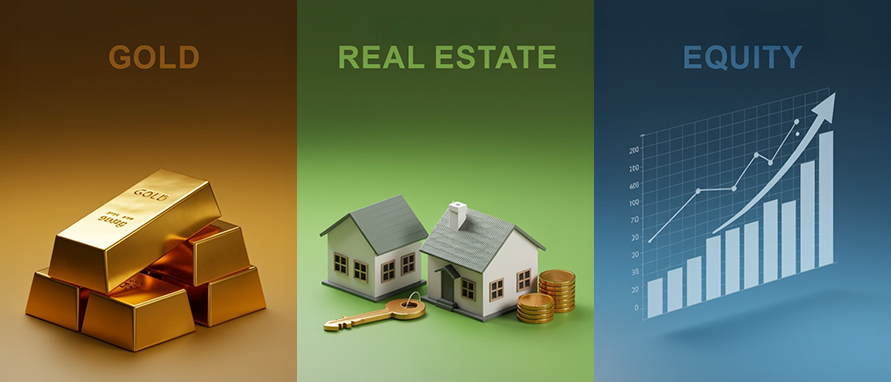
Gold has always been considered a safe haven, acting as a hedge against inflation and economic uncertainty. It is highly liquid but does not generate regular income, and its long-term returns often lag equities. Equity, including stocks and equity mutual funds, provides high growth potential and can generate passive income through dividends. However, it is volatile and requires a higher risk tolerance.
Real estate offers a tangible asset with potential rental income and a hedge against inflation. While it can provide substantial wealth over time, real estate is illiquid and comes with high transaction costs, making it less flexible than gold or equities. For 2026, a diversified approach is optimal, combining equities for growth, gold for safety, and real estate for tangible asset exposure.
Large Cap vs Mid Cap vs Small Cap:

Large-cap stocks, which include the top 100 companies by market capitalization, are generally stable with consistent dividends, making them suitable for conservative investors. Mid-cap stocks, ranked 101–250, offer balanced risk and return, with higher growth potential than large caps but more volatility. Small-cap stocks represent companies beyond the top 250 and provide high-risk, high-reward opportunities, performing well in bullish markets but susceptible to significant losses during downturns.
A well-rounded investment strategy often combines these three segments to optimize returns while managing risk. Large caps provide stability, mid caps offer growth potential, and small caps offer the chance for substantial gains if the market performs well.
Insurance Decisions
Insurance is not just a safety net; it is a critical tool for financial planning. Making the right insurance choices ensures that you and your family are protected from unforeseen events without compromising your long-term financial goals. In 2026, understanding the nuances of different insurance options is more important than ever.
Term Insurance vs ULIP: Which One Should You Buy?
Term insurance is a pure protection plan that offers a high sum assured at low premiums. Its primary purpose is to provide financial security to your family in case of your untimely demise. Term insurance does not have an investment component, making it affordable, straightforward, and highly effective for risk coverage.
On the other hand, a Unit Linked Insurance Plan (ULIP) combines insurance with investment, allowing a part of your premium to go into equities or debt funds. While ULIPs provide the potential for wealth creation, they come with higher costs and market-related risks, and the insurance cover is often lower compared to a pure term plan. For most investors looking for maximum protection at minimal cost, term insurance is the clear choice, while ULIPs may suit those who want a long-term investment coupled with some insurance.
How Much Health Insurance Cover Do You Actually Need?
Choosing the right health insurance cover is crucial, as medical costs continue to rise. Ideally, your coverage should match potential hospitalization and critical illness expenses for you and your family. Experts suggest that the sum insured should be at least 3–5 times your annual income. Factors such as existing health conditions, lifestyle, family history, and inflation in medical costs must be considered. Too little coverage exposes you to financial strain, while excessive coverage may result in unnecessarily high premiums. The goal is to achieve adequate protection without overpaying.
Should You Buy Insurance Early or Wait?
Buying insurance early is almost always advantageous. Premiums are significantly lower when you are younger, and your health is generally better, reducing the risk of premium loadings or exclusions. Waiting until later in life may increase costs or make you ineligible for certain policies due to age or health issues. Early purchase also allows you to lock in long-term protection and leverage compounding benefits in investment-linked policies like ULIPs. In short, buying early saves money and secures your family’s financial future.
Family Floater vs Individual Health Insurance
A family floater policy covers all family members under a single sum insured, which can be cost-effective for families with young children and generally healthy members. It simplifies premium payments and ensures coverage is shared across the family.
In contrast, individual health insurance policies provide separate sums insured for each member, making them preferable for families where members have different health risks or higher medical needs. Individual plans prevent one member’s claims from reducing coverage for others. For 2026, the choice depends on family composition, health status, and anticipated medical expenses, but a combination of a family floater for general coverage and individual policies for high-risk members can offer the best balance of protection and cost-efficiency.
Risk-Based Decisions:
Investing is not just about choosing the right asset but also managing risk wisely. Understanding when to act, how much risk to take, and how to respond to market fluctuations can make the difference between financial growth and unnecessary losses. In 2026, a disciplined approach to risk is more critical than ever.
When Should You Exit a Mutual Fund?
Exiting a mutual fund should be a decision based on investment goals, fund performance, and market conditions, rather than short-term fluctuations. If a fund consistently underperforms its benchmark over a period of 2–3 years, it may indicate poor management or a mismatch with your objectives. Similarly, if your financial goals or risk tolerance change, exiting a fund that no longer aligns with your plan can be wise. However, reacting to temporary market volatility can lead to missed opportunities, so the decision to exit must be strategic and goal-driven rather than impulsive.
Should You Stop SIP in a Market Crash?
A market crash is often the worst time to stop a SIP. SIPs work on the principle of rupee cost averaging, which means that investing consistently during a downturn allows you to buy more units at lower prices. Stopping your SIP during a market dip can lock in losses and reduce long-term returns. Investors who maintain their SIP during downturns often benefit when markets recover, turning temporary setbacks into long-term gains. In essence, a disciplined approach during a crash is more profitable than trying to time the market.
Is It Safe to Invest All Your Money at Once?
Investing a large sum at once, or lump sum investing, can be risky, especially in volatile markets. While it has the potential for higher returns in a rising market, it exposes you to the full impact of market downturns. For investors with lower risk tolerance or shorter investment horizons, spreading investments through SIPs or staggered entry points is generally safer and less stressful. Conversely, experienced investors with high risk appetite and long-term horizons can consider lump sum investing during market corrections, but this should be done strategically rather than impulsively.
How Much Risk Should You Take Based on Your Age?
Age is a crucial factor in determining your risk capacity. Younger investors, typically below 35, can take higher risk because they have more time to recover from market volatility. Equity-heavy investments and small-cap exposure can maximize long-term growth. Investors in their 30s to 50s should maintain a balanced portfolio, mixing equities with safer instruments like bonds, fixed deposits, or gold, to protect capital while still growing wealth. Those approaching retirement or above 55 should focus on capital preservation, minimizing exposure to volatile assets and prioritizing fixed-income instruments. The older you are, the more your portfolio should shift toward stability, while younger investors can afford a growth-focused, risk-tolerant approach.