

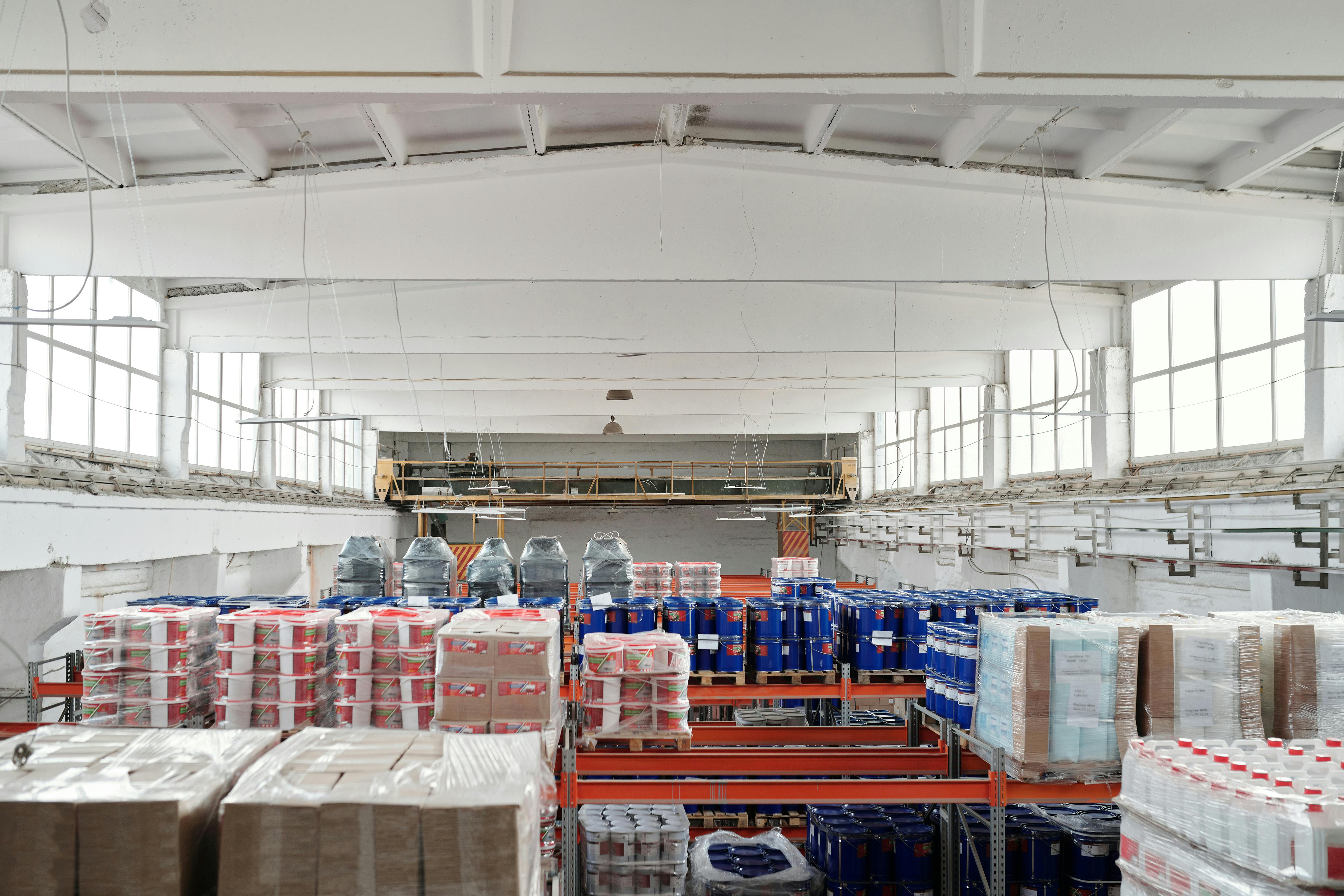
For D2C brands, quick-commerce operators, marketplaces, and scaling startups, rent is no longer just a fixed operating expense. In 2025, it is often one of the biggest monthly outflows after payroll and inventory. Warehouses, office spaces, dark stores, fulfilment hubs, and leased storage facilities can together create a significant cash commitment every month.
This is where Section 194I TDS on rent becomes a practical compliance issue, not just a tax technicality. If the company, LLP, or firm fails to deduct or deposit TDS properly, the impact is not limited to interest and penalties. It also affects supplier relationships, landlord negotiations, working capital planning, and year-end tax positions.
For businesses with tight cash cycles, especially those running on investor funds or thin margins, TDS on rent must be built into the monthly cash flow calendar. A missed deduction today can become a fund-blocking compliance problem later.
Legal and practical explanation
Section 194I applies when rent is paid or credited to a resident for use of land, building, land appurtenant to a building, machinery, plant, equipment, furniture, or fittings. For most D2C and startup businesses, this means:
- warehouse rent
- office rent
- dark store rent
- storage unit rent
- lease charges for commercial premises
- rent for furniture/fittings, if separately charged
The threshold under Section 194I remains ₹2,40,000 per financial year per payee. If the total rent paid or credited to a single landlord in a financial year exceeds this limit, TDS becomes applicable.
The common TDS rates are:
- 10% for rent of land, building, factory, office premises, warehouse, godown, or furniture/fittings
- 2% for plant and machinery, when the payment is specifically for such use
In practice, most warehouses, offices, and dark stores fall under the 10% rate, because they are generally rent for building/premises.
A few practical points matter a lot:
- TDS applies on credit or payment, whichever is earlier
- If rent is paid monthly, TDS should be deducted month by month once the annual threshold is crossed or expected to be crossed
- If GST is shown separately on the invoice, TDS is generally deducted on the rent amount excluding GST
- TDS must be deposited within the prescribed timeline, and the TDS return must also be filed on time
For businesses in 2025, the core issue is not whether rent is taxable. The real issue is whether the rent payment structure has been mapped properly for compliance and cash flow.
Why this matters for cash flow
Many founders focus only on the rent cheque or bank transfer. But TDS creates an additional cash outflow obligation, because the business is effectively holding part of the landlord’s money until deposit.
Example: if monthly warehouse rent is ₹5,00,000, TDS at 10% is ₹50,000. The landlord receives only ₹4,50,000, while the company must deposit ₹50,000 with the government. That amount may look small in one month, but across multiple locations it can materially affect working capital.
This is especially important for:
- multi-city warehouse networks
- dark store expansion
- office lease escalation clauses
- annual advance rent arrangements
- rent paid to multiple landlords under separate agreements
If your finance team does not track TDS alongside rent due dates, the cash flow picture will be incomplete.
Step-by-step guidance for startups and D2C brands
1) Identify every rent arrangement
Prepare a complete list of all premises and facilities where rent is paid:
- warehouse
- office
- dark store
- collection centre
- fulfillment hub
- storage facility
- staff housing, if rented by the business
- furniture or equipment rentals tied to the property
Do not rely only on the ledger head “rent.” Check the actual agreements.
2) Check the landlord and agreement structure
Confirm whether the payee is:
- an individual
- HUF
- partnership firm
- LLP
- company
- trust
- resident landlord
Section 194I applies to payments to resident landlords. If the landlord is non-resident, Section 195 may apply instead.
Also verify whether the agreement combines:
- base rent
- maintenance charges
- CAM charges
- electricity reimbursement
- property tax reimbursement
- parking charges
- warehousing service charges
The tax treatment may differ depending on how the contract is drafted.
3) Calculate the annual threshold correctly
The ₹2,40,000 threshold is for the financial year per payee.
Do not calculate separately for each invoice if the same landlord receives multiple payments. Aggregate all rent to the same landlord during the year.
If there are multiple properties under separate agreements but the same payee, the threshold should still be tested on a consolidated basis.
4) Deduct TDS at the right time
TDS should be deducted at the time of:
- crediting rent to the landlord’s account, or
- making actual payment, whichever is earlier
For monthly rent, most businesses deduct TDS at the time of booking the rent expense in the books.
If advance rent is paid, TDS generally needs to be deducted at the time of payment or credit, even if the service period relates to later months.
5) Use the correct rate
Apply:
- 10% for warehouse, office, and dark store rent
- 2% only when the payment is specifically for plant and machinery
If a contract has both premises and equipment rentals, split the components clearly in the agreement and in accounting records.
6) Deposit the TDS on time
After deduction, deposit the TDS within the statutory due date through the prescribed challan process.
Missing the deposit deadline creates:
- interest liability
- disallowance risk
- compliance noise in vendor reconciliation
7) File quarterly TDS returns
Ensure the deducted tax is reported correctly in the quarterly TDS return. If the landlord’s PAN is missing or invalid, higher withholding provisions can come into play under Section 206AA.
8) Reconcile rent ledger, TDS ledger, and GST invoices
Finance teams should reconcile:
- lease agreement
- rent invoices
- TDS deduction entries
- challan payments
- TDS return reporting
- Form 26AS/AIS reflection
This prevents year-end disputes with landlords and avoids credit mismatch.
Examples
Example 1: Warehouse rent for a D2C brand
A startup pays ₹6,00,000 per month as warehouse rent to one landlord.
- Annual rent = ₹72,00,000
- TDS @ 10% = ₹7,20,000 for the year
- Monthly TDS = ₹60,000
Cash flow impact:
- landlord receives ₹5,40,000 per month
- company retains ₹60,000 temporarily for TDS deposit
If the finance team forgets to block this amount in the monthly cash plan, it may create a shortfall when the TDS deposit date arrives.
Example 2: Office rent with GST shown separately
Monthly office rent is ₹3,00,000 plus GST separately charged.
For TDS purposes, if GST is shown separately, TDS is generally calculated on the rent amount excluding GST.
- TDS base = ₹3,00,000
- TDS @ 10% = ₹30,000
This avoids excess withholding and keeps books aligned with invoice structure.
Example 3: Multiple premises, same landlord
A quick-commerce company pays:
- ₹1,50,000 for one dark store
- ₹1,30,000 for another unit under the same landlord
Total = ₹2,80,000 in the year, so the threshold is crossed.
TDS applies on payments once the limit is exceeded, and the company should not treat each site separately if the landlord is the same legal payee.
Common mistakes
1) Treating warehouse rent as “service expense” and ignoring TDS
Some teams book warehousing costs under logistics or storage expenses and miss the TDS trigger. Classification in accounts does not change the tax obligation.
2) Not aggregating payments to the same landlord
The threshold is per payee, not per invoice or property address. Splitting rent across locations does not eliminate TDS if the landlord is the same person/entity.
3) Deducting TDS only at year-end
This creates avoidable interest and compliance exposure. Deduct monthly as rent accrues.
4) Deducting on GST amount when GST is separately shown
Where GST is separately charged, TDS should generally be deducted on the rent amount excluding GST. Over-deduction causes reconciliation issues and may upset landlords.
5) Missing advance rent implications
Advance rent paid for a warehouse or office can also trigger TDS at the time of payment or credit. Waiting for monthly usage can be a mistake.
6) Not reviewing contract clauses
Many agreements include maintenance, CAM, electricity, furnishing, or storage charges. These should be reviewed to determine whether they form part of rent or are separate reimbursements.
7) Ignoring PAN issues
If the landlord does not provide PAN, higher deduction consequences may arise. This is especially common when the property is owned through a family arrangement or a small proprietary setup.
8) Failing to align TDS with cash planning
A company may be profitable on paper but still face a liquidity crunch if rent TDS is not reserved monthly. This is a classic startup cash flow issue.
Practical cash flow checklist for finance teams
- map all rent agreements across locations
- identify the legal payee and PAN
- compute annual rent per landlord
- check if the ₹2,40,000 threshold will be crossed
- decide monthly TDS reserve amount
- ensure invoice templates show GST separately, if applicable
- deduct TDS at booking/payment stage
- deposit TDS within due dates
- file TDS returns quarterly
- reconcile Form 26AS/AIS and landlord confirmations
- review contracts for CAM, service, and reimbursement clauses
Conclusion
For D2C brands, startups, and warehouse-led businesses, Section 194I TDS on rent is not a back-office formality. It is a monthly cash management item that directly affects liquidity, compliance, and vendor trust.
In 2025, businesses that scale across offices, dark stores, and fulfilment centres should treat rent TDS as part of operating discipline. The best approach is simple: identify every lease, apply the correct rate, deduct on time, deposit on time, and build the TDS outflow into the monthly cash flow plan.
If you manage rent well, you protect both compliance and capital. If you ignore it, the cost is usually paid later in interest, notices, and avoidable working capital stress.