
Articles
Business & Legal Insights
Expert guides on company registration, GST, trademark, compliance and everything you need to run a business in India.

Business Karoge Ya Compliance Mein Hi Phase Rahoge?
A growing business can silently get trapped in compliance chaos. This story of Binod shows how ignoring filings, deadlines, and notices can slow down growth—and how building the right system can change everything.

What is Director Identification Number (DIN)? Why is it Important?
A Director Identification Number (DIN) is a unique 8-digit number assigned to individuals who wish to become company directors. It is a mandatory requirement that helps identify and track directors across different companies. DIN ensures transparency, prevents fraud, and strengthens corporate governance.

Complete Guide to Credit Score in India
A credit score is a crucial financial indicator in India that determines your eligibility for loans and credit cards. Ranging from 300 to 900, it reflects your repayment behavior, credit usage, and financial discipline. This guide explains how TransUnion CIBIL works, the factors influencing your score, and how it impacts your borrowing power in 2026.

What are the Annual Compliance Requirements for a Company?
Annual compliance requirements are the legal obligations a company must fulfill each year to operate lawfully. These include financial reporting, tax filings, audits, and mandatory meetings like the AGM. Proper compliance ensures transparency, avoids penalties, and strengthens corporate governance.

Director vs Shareholder: The Confusion That Can Destroy a Company
Most founders assume ownership automatically gives them control—but under the Companies Act, that’s not true. This article breaks down the critical difference between shareholders and directors, and how this confusion can lead to disputes, deadlocks, or even loss of your own company.

What is Authorized Capital vs Paid-up Capital?
Authorised capital is the maximum amount of share capital that a company is legally allowed to issue as stated in its Memorandum of Association, while paid-up capital is the actual amount of money received from shareholders for the shares issued. In simple terms, authorised capital represents the company’s potential to raise funds, whereas paid-up capital reflects the real funds available for business operations.
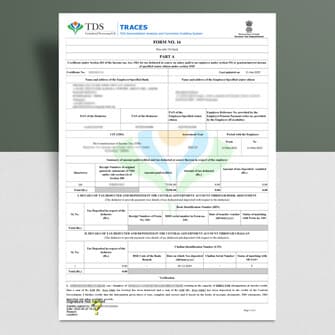
Form 16 is Replaced from 2026 – What Every Employee Must Know
Form 16 is gone from 2026—but nothing really changes for you. Here’s the truth every employee should know before filing ITR.

(Size Exceeds 5 MB) Income Tax Portal File Size Limit : 3 Practical Ways Firms Handle Large PDFs for Free
ITBA upload failing due to file size? Here are 3 proven methods used in Professional firms to fix PDF size issues instantly—without compromising document clarity.

Section 68 Cash Credits – How to Defend Your Case?
A complete guide to defending Section 68 cash credit additions using proper documentation, structured replies, and landmark judicial precedents.

Oil Prices Are Rising — Your EMI Is Next

AIS Mismatch Email — Is It Really a Notice?
An AIS mismatch email is not a legal notice but an automated alert generated by the Income Tax Department’s data analytics system. While it does not trigger any immediate action, it signals a potential discrepancy that, if ignored, could lead to scrutiny or proceedings later.

Real-Life Financial Decision Guides
Making smart financial decisions in 2026 requires balancing investments, insurance, risk, and lifestyle choices. From SIPs versus lump sum, mutual funds versus fixed deposits, gold versus real estate, to term insurance, health coverage, and property decisions, this guide helps you navigate financial planning with clarity, discipline, and strategy for wealth creation and security.